
Day 1 recap - The Great Debate
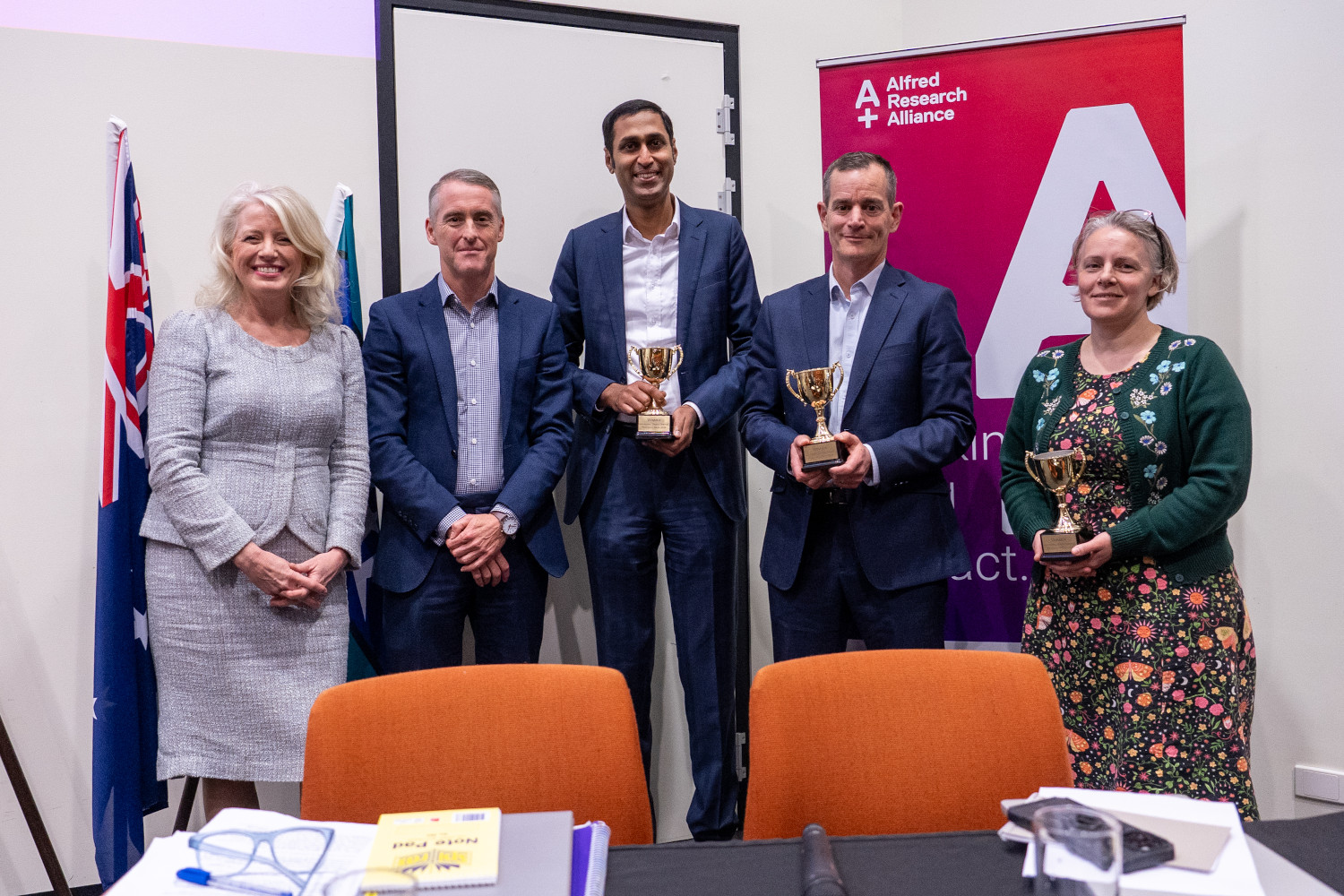
The Great Debate Sets the Stage for Research Week 2026
Research Week 2026 opened with a lively and thought-provoking Great Debate that challenged attendees to consider one of healthcare’s most pressing questions: Should the pursuit of breakthrough health innovations take precedence over ethical, privacy and environmental concerns?
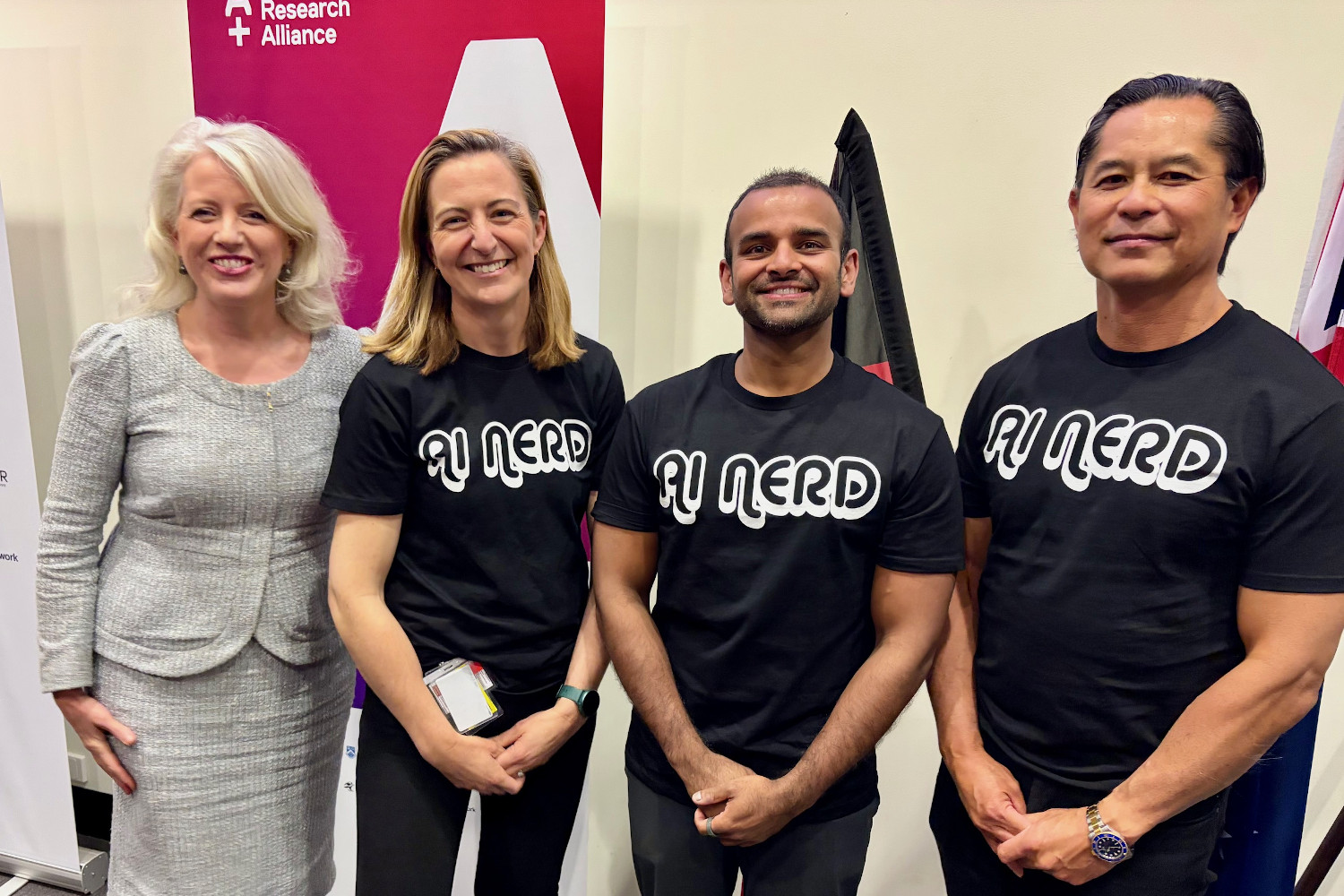
The affirmative team made a passionate case for accelerating innovation, highlighting how advances such as AI, precision medicine and digital health technologies are transforming care and creating new opportunities to improve and save lives. Their central argument was clear: when it comes to healthcare, delays in innovation can have real consequences for patients.
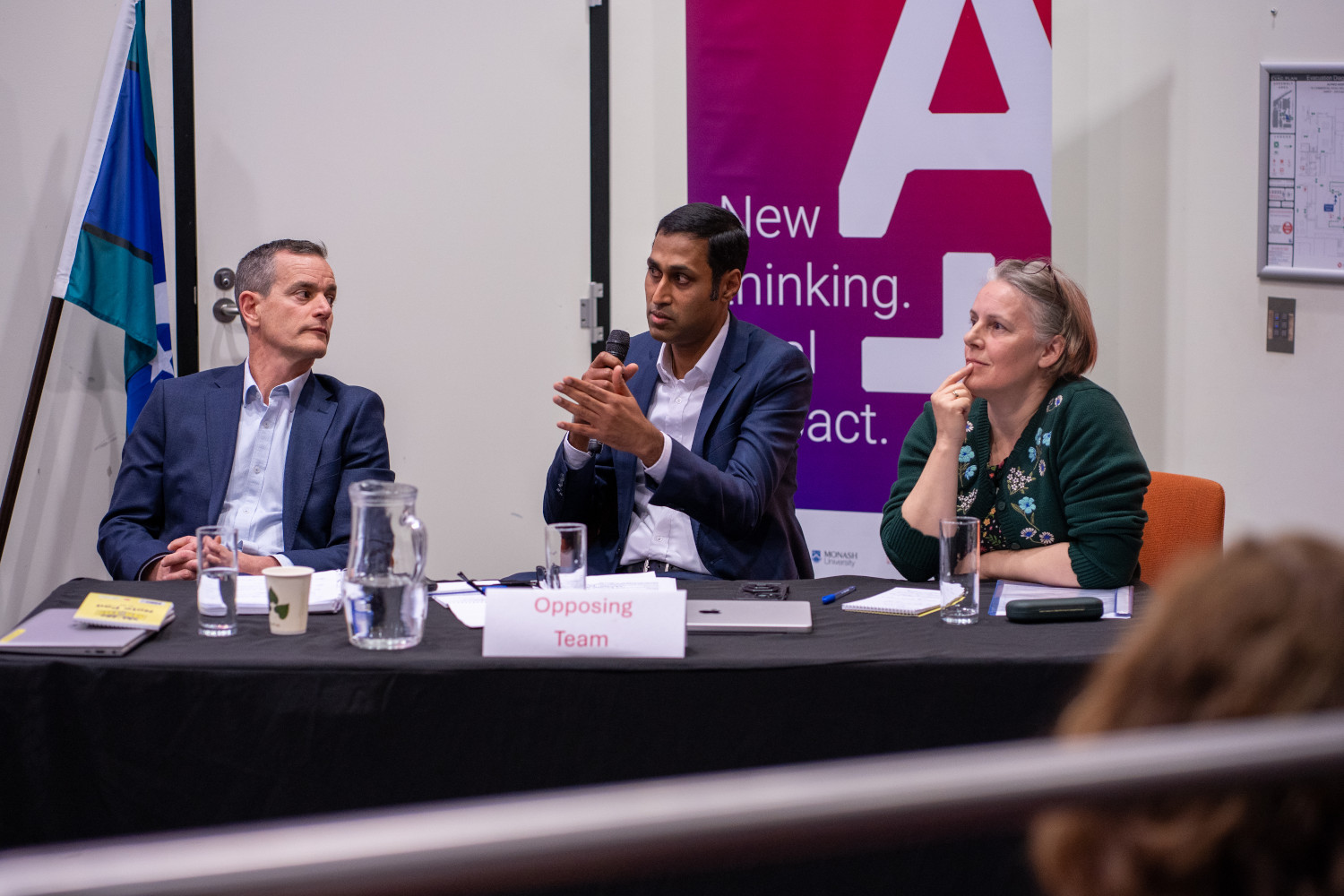
The opposing team countered that innovation and responsibility should go hand in hand. Drawing on examples from healthcare, technology and public policy, they argued that ethics, privacy, community trust and environmental sustainability are not obstacles to progress, but essential ingredients for lasting and meaningful impact.
A spirited exchange of ideas, sharp rebuttals and an engaged audience Q&A showcased the diverse perspectives that drive excellence in research and healthcare. In the end, both the judges and audience awarded the win to the negative team, recognising the strength of their argument that the most successful innovations are those that balance progress with responsibility.
The debate provided an engaging start to the week, highlighting the value of respectful discussion, diverse viewpoints and bold thinking as we shape the future of health research and care.
Watch the full event
Host and Adjudicator
Chloe Shorten, Bayside Health Board Director.
Featured Speakers
Affirmative Team Advocating that breakthrough healthcare innovation should be prioritised to improve patient outcomes and strengthen health system resilience.
- Dr Shane Nanayakkara, Interventional Cardiologist and AI Researcher
- Prof Meng Law, Expert in Advanced Neuroimaging, AI and Precision Diagnostics
- Prof Victoria Mar, Director of the Victorian Melanoma Service at The Alfred
Opposing Team Advocating that innovation must remain grounded in ethics, privacy, public trust and environmental sustainability.
- A/Prof Zerina Lokmic-Tomkins, Monash University researcher in Climate Adaptation and Sustainable Healthcare Innovation
- Mr David Ruschena, Legal Counsel, Bayside Health
- Dr Sudeep Saraf, Chief Digital Health Officer, Bayside Health
Judging Panel
- Katrina Lewis is the Director of Patient Experience and Consumer Engagement at The Alfred
- Angela Henjak is the Senior Manager of the Ethics & Research Governance Office at The Alfred
- Lachlan MacBean is the Director of Data Analytics Services at The Alfred
- Dr Duong Nhu is a Research Fellow in the Department of Neuroscience at Monash University’s School of Translational Medicine