
Day 2 recap - Keynote address & panel forum
Reimagining What’s Possible in Health care
What happens when a neurologist dares to imagine controlling technology with the power of thought, a burns researcher engineers living skin, and scientists use artificial intelligence to design the medicines of tomorrow? Day Two of Research Week 2026 explored exactly that, showcasing bold ideas and groundbreaking research that are reshaping the future of healthcare.
The event featured a keynote address from Professor Thomas Oxley, founder and CEO of Synchron, followed by presentations from three researchers whose work is advancing burns care, cardiovascular medicine and cancer treatment.
Returning virtually to where his research journey began, Professor Oxley reflected on his path from trainee neurologist to global health innovator. He encouraged researchers to focus on impact, remain resilient through setbacks, and actively pursue opportunities to translate discoveries into real-world outcomes through partnerships, intellectual property and commercialisation.
Prof Thomas Oxley, CEO Synchron, presents live from California on his journey from trainee neurologist in Melbourne to global health innovator.
Associate Professor Shiva Akbarzadeh showcased a novel bioengineered skin technology that combines stem cells and biomaterials to improve healing for patients with severe burns. The promising approach has already demonstrated benefits including faster wound closure, reduced pain and less scarring.
Adjunct Associate Professor Shiva Akbarzadeh presents Bioengineered Skin Technologies: Transforming Burns Care.
Dr Rebecca Harper presented pioneering research using advanced genetic tracing technologies to understand how individual heart cells respond to injury. Her work is helping uncover new pathways for repairing damaged hearts and improving treatment for cardiovascular disease.
Dr Rebecca Harper explores how advanced genetic tracing technologies are helping researchers uncover the remarkable ways heart cells respond to injury.
Associate Professor Vivek Naranbhai explored how artificial intelligence is accelerating the design of next-generation protein medicines, with the potential to target previously untreatable diseases and deliver more personalised therapies for patients.
Associate Professor Vivek Naranbhai demonstrates how artificial intelligence is opening entirely new frontiers in cancer medicine.
A panel discussion moderated by journalist Emily Rice examined the challenges and opportunities of translating research into patient impact. Key themes included the importance of collaboration, the growing role of AI in accelerating discovery, and the need to support Australian research through the clinical, regulatory and commercial pathways required to bring innovations to patients.
Together, the speakers highlighted how curiosity, collaboration and perseverance are driving the next generation of healthcare breakthroughs, and demonstrated the powerful impact of research when it successfully moves from the laboratory to the clinic. From California to Melbourne the message was clear – the future of health care is being made right now, and the next breakthrough could be taking place right here on our precinct.
Watch the full event
More about the panel
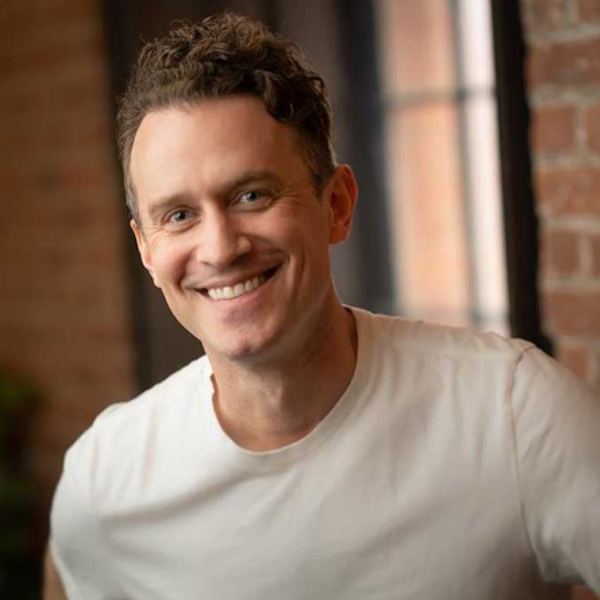
Professor Thomas Oxley
Professor Thomas Oxley MBBS BMedSc FRACP PhD is a vascular and interventional neurologist and world expert in brain computer interfaces. Dr Oxley is the founding CEO of Synchron, a neurotechnology company based in New York City, having raised over USD$345 million in capital. Synchron is a clinical stage company developing an endovascular implantable brain computer interface, StentrodeTM. The Synchron BCI is a minimally invasive brain implant for people with debilitating medical illnesses designed to restore autonomy by reconnecting them online in ways that can dramatically improve their lives.
He is a Clinical Instructor and Director of Research and Development at Mount Sinai. Attending in the Department of Neurosurgery, Mount Sinai Hospital, New York City. Dr Oxley has performed over 1600 endovascular neurosurgical procedures, including cerebral aneurysm coiling and clot retrievals in acute stroke. Dr Oxley has published over 120 internationally peer reviewed articles in journals including JAMA Neurology, Nature Biotechnology, Nature Biomedical Engineering, New England Journal of Medicine and The Lancet. He has over 100 patents filed. He is also Professor of Medicine, University of Melbourne, Australia.
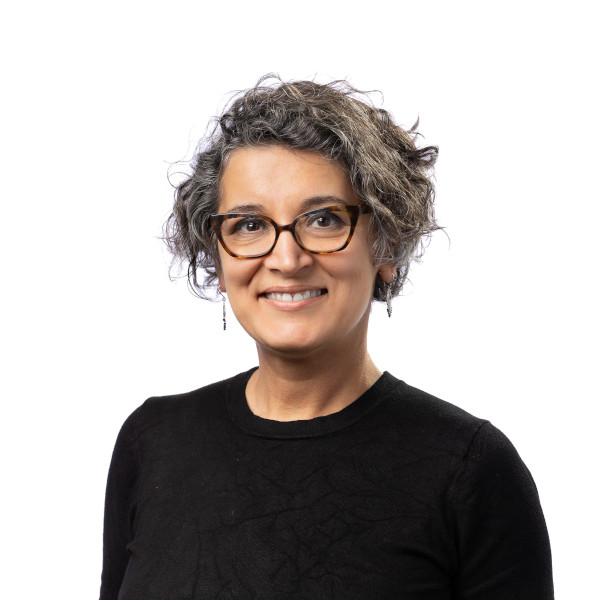
Adjunct Associate Professor Shiva Akbarzadeh
Adjunct Associate Professor Shiva Akbarzadeh heads Skin Bioengineering Laboratory at Victorian Adult Burns Service, Bayside Health, dedicated to bench to bedside research in cell therapies for burns treatment. Her innovations and leadership in this field has been recognised by a number of publications in peer review high ranked journals and patents. She has secured over AUD $2.5M funding for burns research and is a recipient of a number of national and international prizes in cell therapy and wound care. Her team have successfully completed manufacturing of their novel bioengineered skin and treatment of burns patients in a phase 1 trial conducted at the Alfred between 2024-2026. She is the curator of a postgraduate module on “Skin Stem cell and Therapies”, that is taught at Monash University since 2021.
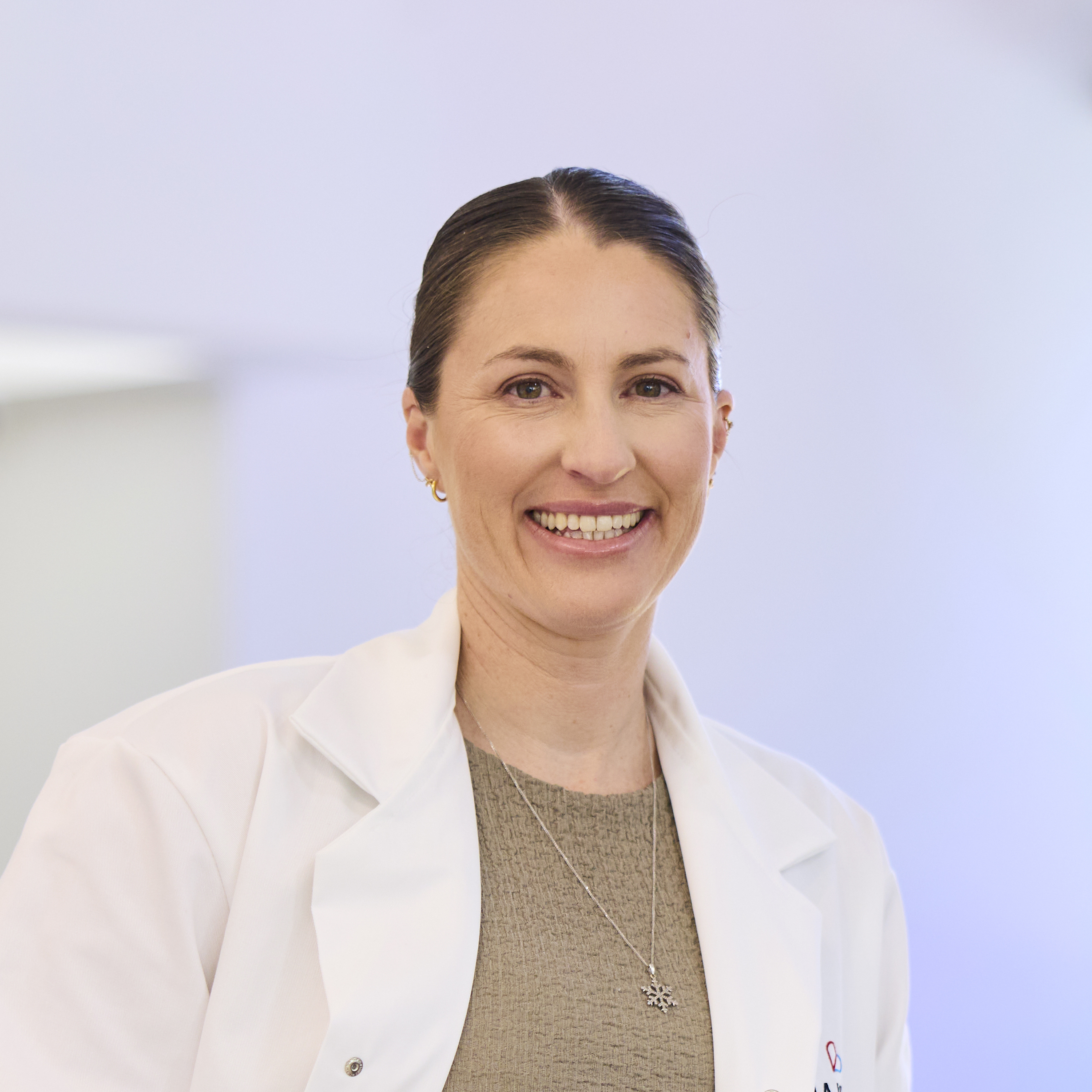
Dr Rebecca Harper
Dr Rebecca Harper obtained her PhD from the University of Adelaide School of Medicine and completed postdoctoral training at Stanford University School of Medicine and the National Institutes of Health in the United States. She is now the Leader of the Vascular Regeneration and Repair Group in the Heart Failure Research Lab at the Baker Heart and Diabetes Institute, Melbourne, under Professor David Kaye.
Rebecca’s research focuses on understanding vascular cellular ecosystems in cardiovascular disease, with a particular interest in how endothelial, stromal and immune cell populations remodel after injury and during heart failure. Her program integrates next generation technologies such as single-cell and spatial transcriptomics, DNA barcoded lineage tracing and translational disease models to define how vascular and cardiac cellular states evolve over time.
A/Prof Vivek Naranbhai
A/Prof Vivek Naranbhai is a globally recognised clinician-scientist, medical oncologist and immunologist whose groundbreaking research is shaping the future of cancer treatment, vaccines and engineered immunity. Recently recruited to The Alfred/Monash University from Harvard Medical School and Massachusetts General Hospital, he leads the Laboratory of Translational Immunology, where his team combines artificial intelligence, protein design and immunology to develop next-generation medicines.